Big Brother on Board
Telematics can save you 30%. But who exactly is looking at your data?
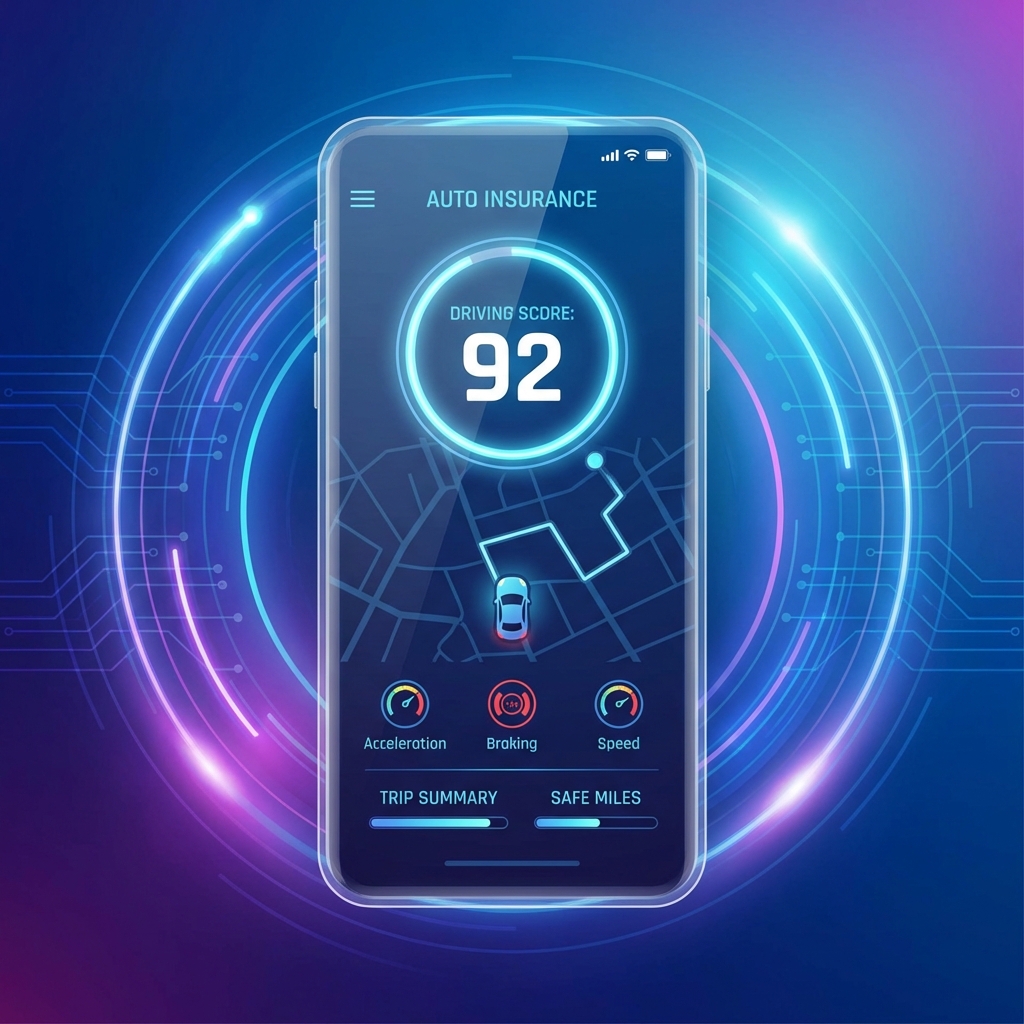
"Plug this into your car, drive safe, and save money!" It sounds innocent enough. Progressive's Snapshot, Allstate's Drivewise, and State Farm's Drive Safe & Save all promise massive savings.
But in the age of data breaches and surveillance, many drivers are hesitating. What exactly are these devices recording? And can this data be used against you?
1. What Do They Track?
Most telematics programs track the "Big 3" behaviors:
- Hard Braking: Dropping speed by 7+ mph in less than a second. This is the #1 "bad behavior" flag.
- Speed: Driving over 80mph is an automatic penalty in almost every program.
- Time of Day: Driving between midnight and 4 AM is considered "high risk" (bar closings, fatigue).
Newer smartphone-based apps also track Phone Distraction (touching your phone while the car is moving).
2. Can Your Rates Go UP?
Yes. Originally, these programs were "discount only." But recently, companies like Progressive and Geico have updated their terms. If the data shows you are an aggressive driver, they can and will add a surcharge to your renewal.
3. Data Privacy: Who Sees It?
Insurers generally promise not to sell your individual driving data for marketing. However, they can share it:
- With Claims Adjusters: If you get into a crash, the data can be used to prove fault. If you claim you were going 35mph but the app says 55mph, your claim could be denied.
- With Police (Subpoena): In a serious criminal investigation, law enforcement can subpoena your telematics data.
Conclusion
Telematics is a trade-off. You are selling your privacy for a $100 discount. For safe, boring drivers, it makes sense. For lead-footed privacy advocates, the discount isn't worth the anxiety of being watched.